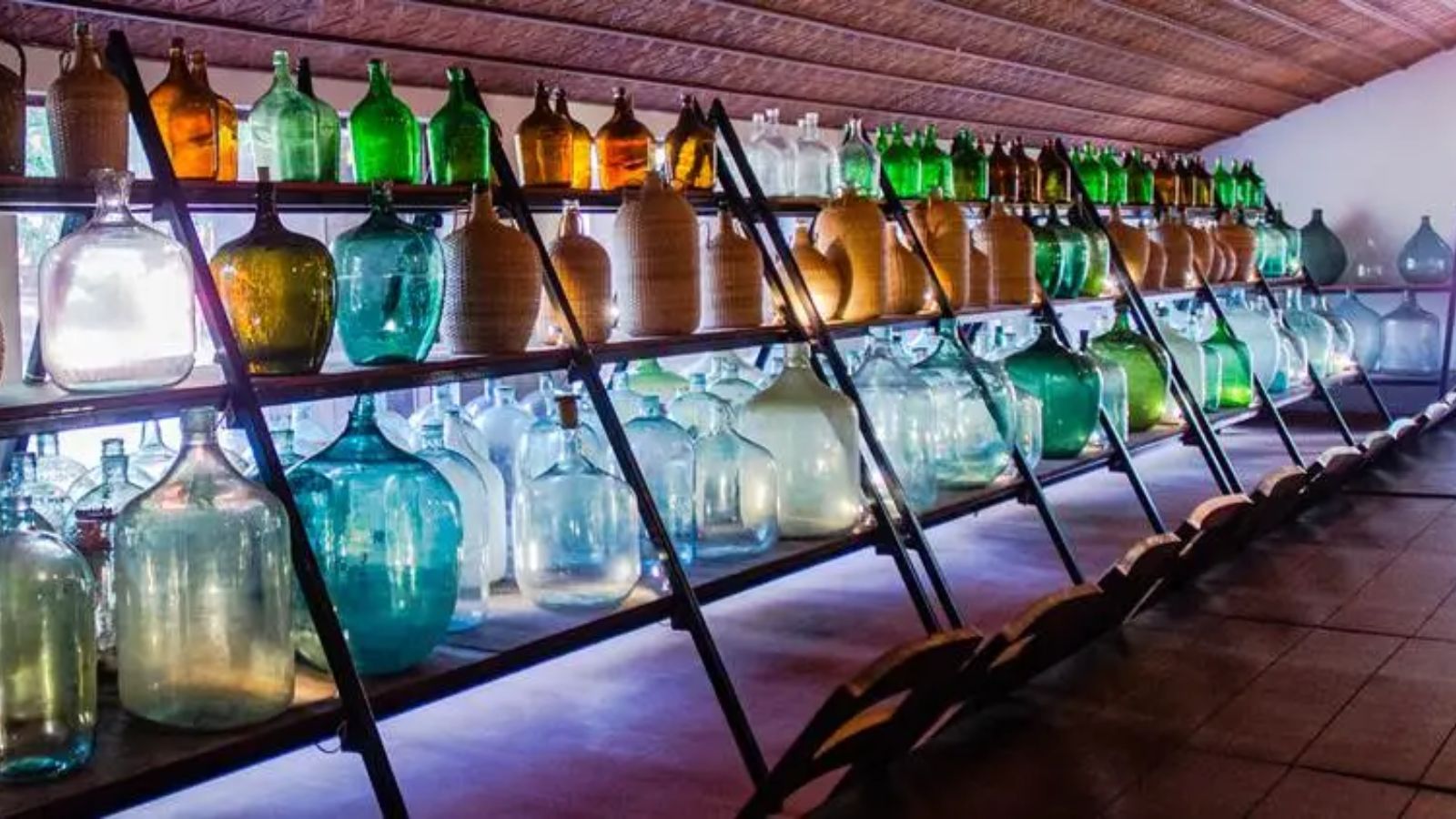
India’s new free trade agreement with the UK is ready to give a global push to its homegron flavor – from Goa’s Fiery Feni and Nashik’s artisan wine to the traditional toddy of Kerala. These reputed drinks will soon enjoy geographical signal (GI) protection and duty-free access in the UK, opening doors to premium retail shelves and hospitality chains.
Signed on Thursday, In FTA signed by IndiaHas protected the interests of domestic farmers except dairy products, edible oils and apples from the Free Trade Agreement (FTA) with Britain, while acquiring zero duties at 95 percent of agriculture and processed foods. No tariff concession has been allowed on oats.

On the other hand, Indian staples such as turmeric, black pepper, cardamom; Processed goods such as mango gums, pickles and pulses; And sea products like Chinrat and Tuna will enjoy duty-free access in the UK market, which will increase India’s agricultural exports by 20 percent in the next three years.
According to a report by PTIA Commerce Ministry official said that the biggest win is in the food processing sector, where the products facing duties up to 70 percent will now face zero duty on 99.7 percent tariff lines. In marine and animal products, tariffs that were up to 20 percent earlier will also fall to zero.
The official said, “India’s farmers are ready to be the biggest winners of FTA, which unlocks the premium UK markets for their yield, corresponding to the benefits already enjoying by exporters from Germany, Netherlands and other European Union countries,” said the official, “the official said,” the official said, ” PTI Quoted.

More than 95 percent of agriculture and processed food tariff lines will now attract zero duties on fruits, vegetables, grains; Pickle, spices mix, fruit pulp; And ready-to-eat food and processed foods. This deficiency is expected to reduce the landed costs in the UK, leading to more competitive and exports.
“Duty-free access is expected to increase agricultural exports by more than 20 percent in the next three years, by 2030, by 2030, India contributed to the target of India’s 100 billion USD.”
The story continues below this advertisement
Emerging products such as jackfruit, millet and biological herbs are also expected to benefit, which helps Indian farmers to tap in new consumer trends in the UK.
Currently, the UK imports agricultural goods of USD 37.52 billion annually, but is part of only 811 million USD in Indian exports – indicating huge potential for development.
Marine and blue economy products will also gain a major lead. The FTA provides zero-duty access to 99 percent of India’s sea exports-which includes shrimp, tuna, fishmils and feeds-currently faced duties in the range of 4.2 to 8.5 percent.
“Despite the UK’s 5.4 billion Marine Import Market, India is only 2.25 percent – showing a huge unused opportunity,” said the Commerce Ministry official said.
The story continues below this advertisement
The FTA is also expected to help promote export of high-margin branded products such as Indian coffee, tea, spices and processed foods. While the UK currently consumes only 1.7 percent of India’s coffee, the removal of tariffs (10 percent before) will allow Indian immediate coffee to better compete with the brands of the European Union.
The UK is also an important buyer of Indian tea (5.6 percent shares), and spices (2.9 percent). Zero duty on these items will help India expand its footprint in the UK high-value retail market.
In addition to reputed drinks, other processed food exports are also prescribed for benefits. India currently exports agriculture and food items for USD 14.07 billion globally, but exports to the UK, a minor USD 309.5 million USD. The overall import price of Britain’s processed food is USD 50.68 billion, which offers a lot of headrooms.
In the vegetable oils and plant-based segments, the FTA would eliminate tariffs that had previously gone up to 20 percent. This will support the exporters of edible oils, oilseeds derivatives and other plant-based items.
The story continues below this advertisement
States such as Maharashtra (grapes, onions), Gujarat (peanuts, cotton), Punjab and Haryana (basmati rice), Kerala (spices), and northeastern states (Horticulture) are expected to be achieved significantly.
Tea and coffee, which used to attract duties up to 10 percent earlier, will now enjoy duty-free access. Spices and oilseeds, which face 8 percent tariffs, and fruits (up to 20 percent), will also be exempted from duties.
With these comprehensive changes, the India-UK FTA not only promises more market access and better returns to Indian farmers, but also puts cultural exports on India’s regional specialties and global shelves-from local wine to heritage souls and biological spices.
Stamor (T) Narendra Modi

