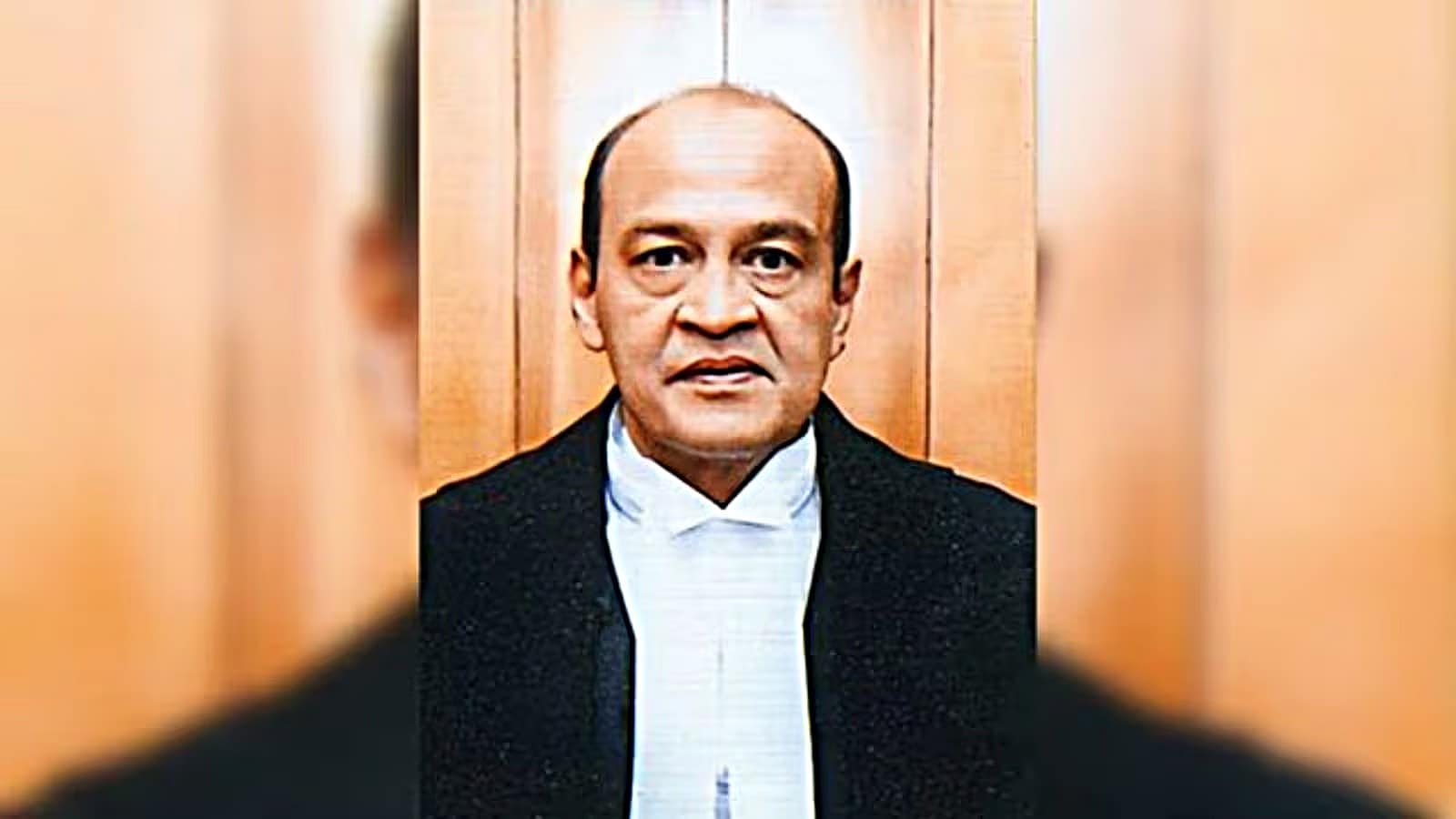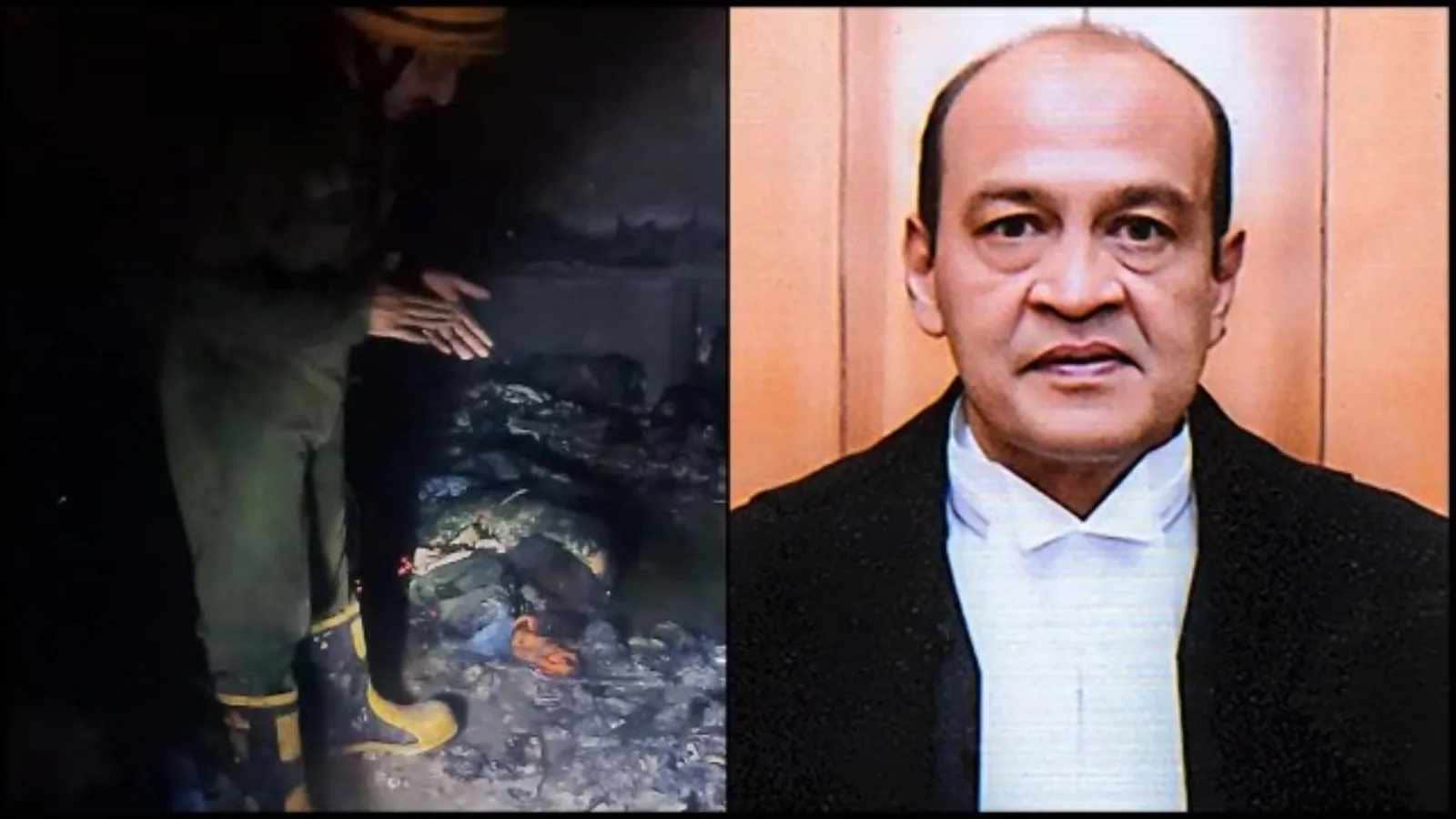
During the upcoming monsoon session of Parliament to bring an impeachment motion against former Delhi High Court Judge Justice Yashwant Verma, the government reached the opposition parties on Tuesday in an attempt to create political consent.
Confirming this, Union Parliamentary Affairs Minister Kiren Rijiju told the Indian Express: “I have reached the leaders of all major political parties. It is not a political issue, it is not a political issue, it is a seriousness related to corruption in the judiciary. There is no scope for any political angle. We will develop a consentus.”

The step came a month after the three -member panel set up by the Supreme Court on 3 May, the allegations found that the wads of currency notes were discovered at the official residence of Justice Verma on March 14. Since then he has been transferred to the Allahabad High Court.
According to sources, Home Minister Amit Shah and Law Minister Arjun Ram Meghwal met Prime Minister Narendra Modi on Tuesday to finalize the preparation of the practice. Shah, along with the leader of the House at Rajya Sabha JP Nadda, also met Vice President and Rajya Sabha President Jagdeep Dhikar. After these meetings, Rijiju reached the opposition leaders.
On May 28, the Indian Express reported that the government was likely to bring an impeachment motion in the monsoon session, which is likely to start in the third week of July.
According to sources, Congress leader Jeram Ramesh was among those who spoke to Rijiju on Tuesday. Congress sources said that the party was discussing the issue, but indicated that there would be no problem in supporting the move. The party, in fact, is the idea that the government should call a special session of Parliament as soon as possible to speed up this process and also create a mechanism to ensure judicial accountability.
This is in line with the proposal passed by the Congress in the April AICC session in Ahmedabad, stating: “While the Congress believes that an independent judiciary is internal for constitutional principles and the protection of democracy, it is also true that the judiciary should set security and standards for accountability. A system for judicial independence, without judicial independence, without judicial independence,”
The opposition has been given to understand that on the basis of the report of the committee appointed by the Supreme Court, Meghwal himself can carry forward the proposal demanding the impeachment of Nyaya Verma.
According to the Judge’s Investigation Act, 1968, a complaint against a judge is to be made through a resolution signed by at least 100 members if in the Lok Sabha and 50 members have been started in Rajya Sabha.
Once MPs submit the proposal, the presiding officer of the House can either accept or reject it. The government took the initiative and demanded a political consent, it is expected that the presiding officer will accept it.
After a proposal for impeachment, either is adopted by the House, the Chairman/ Chairman will have to constitute a three-member inquiry committee, headed by the Chief Justice of India or the Supreme Court Judge, and an Chief Justice of any High Court, and an individual who is in the opinion of a “prestigious judicial”.
If the committee makes a guilty discovery, the committee’s report is adopted by the House in which it was introduced, and the deduction of the judge is debated.
For an impeachment motion against the SC or HC judge, at least two-thirds of the “current and voting” in both the Lok Sabha and Rajya Sabha should vote in favor of removing the judge-and the number of votes in the side should exceed 50% of the “total membership” of each house. If Parliament passes such a vote, the President will pass an order to remove the judge.
Meanwhile, opposition leaders said that Parliament may be overcome with the process of establishing an inquiry committee since the three-member committee appointed by Chief Justice of India Sanjeev Khanna-including Chief Justice of the High Court of Punjab and Haryana, Nyaya Sheel Nagu; Justice GS Sandhavalia, Chief Justice of the High Court of Himachal Pradesh; And Justice Anu Shivraman, Judge of the High Court of Karnataka – have already convicted Justice Verma.
The Indian Express reported on May 9 that CJI Khanna had forwarded a copy of the investigation report, along with the recommendation of President Droupadi Murmu and Prime Minister Modi to start impeachment proceedings against the judge.
Justice Verma was asked to resign, but learned to refuse to do so. He was shifted on 20 March and was sworn in as a judge in the Allahabad High Court on 5 April, but has not been assigned.
,