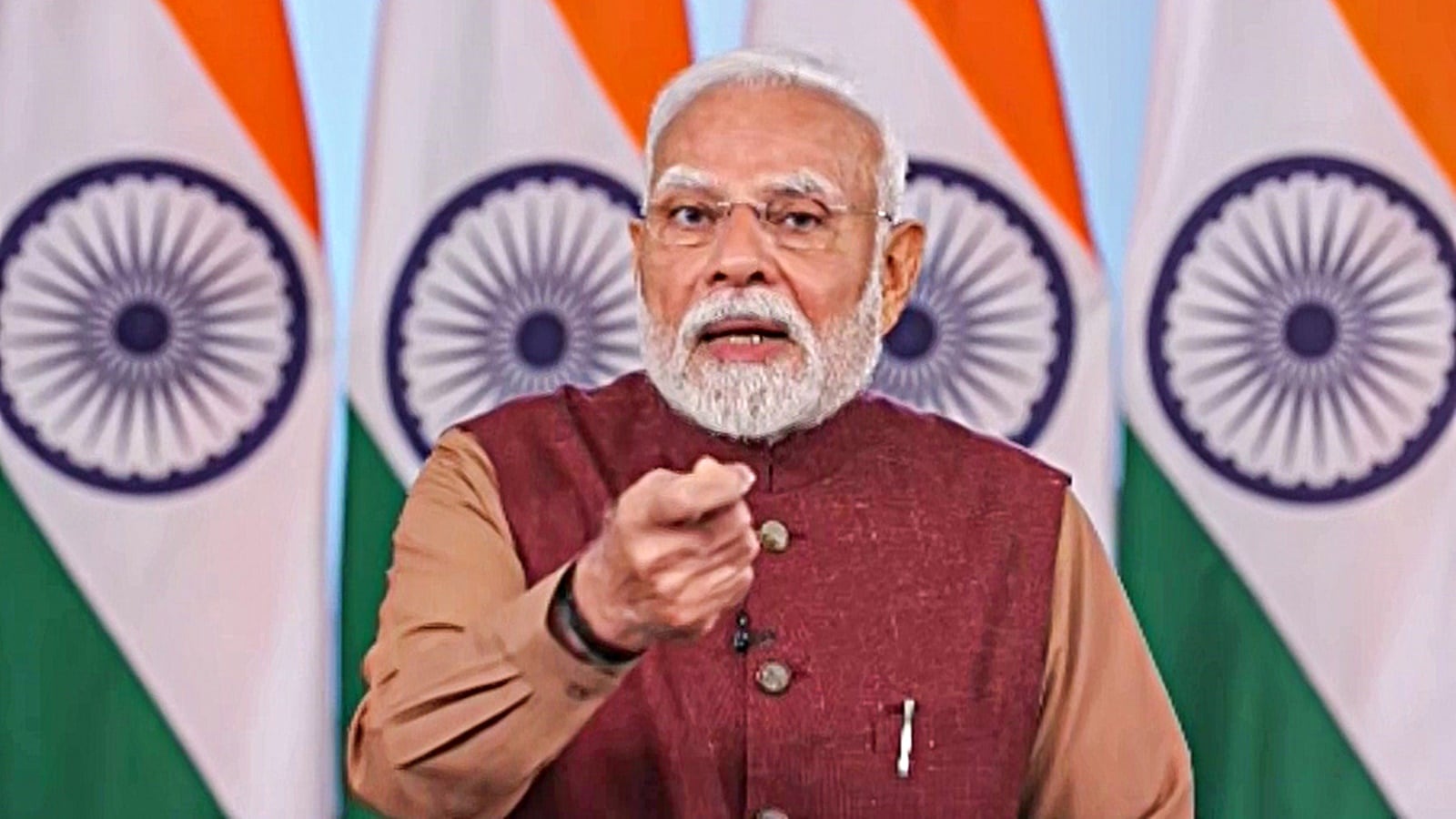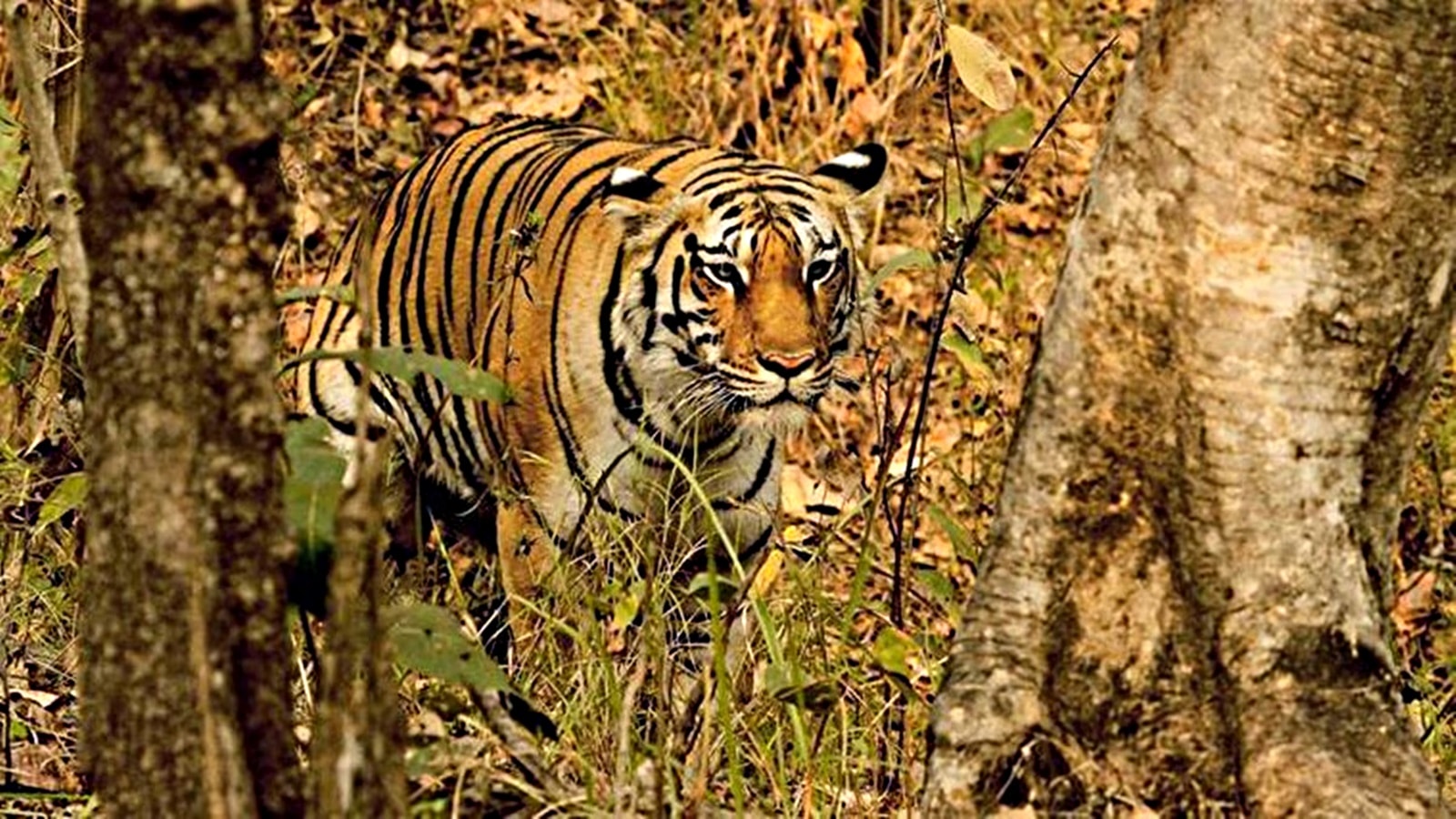
The Standing Committee of the National Board for Wildlife (SC-NBWL) has decided to re-see the government’s 2011 guidelines on the announcement of eco-sensitive zone (ESZ) around the national parks and wildlife sanctuaries, which is to make them more site-specific for ecological and socio-economic realities of each region. The meeting was chaired by Union Environment Minister Bhupendra Yadav.
In another important policy case, the committee directed the Chief Wildlife Warden of the State Governments to submit a compliance report on the implementation of the terms and conditions implemented by cleaning the projects of mining, highway, railway area till the next meeting. It was discussed that if the compliance report was not submitted, SC-NBWL should not consider proposals from those states.

SC-NBWL decided that the Union Ministry of Environment would prepare a note on the ESZ issue and would consult an international consultation with impact assessment, environment-sensitive sector, forest protection, wetland and other relevant divisions. The minutes of SC-NBWL said, “Next, a counseling meeting can be called by ESZ and WL (Wildlife) Division. The result of the practice can therefore be presented to the committee and for discussion.”
Eszs are demarcated and reported to make a buffer around protected areas such as parks and sanctuaries to regulate activities. The 2011 guidelines have designed a symbolic framework on the identification of land use around the parks to the demarcation of ESZ, which is in the form of groups of activities as permission, regulated, prohibited and promoted.
States should prepare a zonal master plan within two years of ESZ notification.

‘Blanket will not serve 10-km ESZ purpose’
Minister Yadav suggested that a note should be prepared on the amendment of the guidelines and various ministries and states should be broadcast to invite suggestions as per minutes. Yadav said that despite the local ecological and geographical conditions, expanding blankets 10-km ESZs in all protected areas will not fulfill the intended objective.
He cited examples of Sanjay Gandhi National Park (SGNP) in Mumbai and Asola Bhatti Wildlife Sanctuary in Delhi, located in urban areas, underlining their point. In hilly states like Himachal Pradesh, Yadav said that about 65 percent of the area is already under forest or protected position and “ESZ norms and harsh imposing imposing rigorous imposing can hindered local development without proportional ecological benefits,” he said.
The story continues below this advertisement
He said, “Therefore, the ESZ rules should not be the same throughout the country; instead, they should be adapted to reflect specific ecological and socio-economic realities of each region.”
The Chief Wildlife Warden of Himachal Pradesh, Kerala, Karnataka and Tamil Nadu expressed separate concern over the issue. Himachal Pradesh chief wildlife warden Amitabh Gautam said that the regulation and prohibition of activities like mining and other commercial activities was affecting the local residents.
Kerala chief wildlife warden Pramod ji Krishnan said that the proposal to declare areas around Silent Valley National Park as sanctuaries was not recommended by the state’s Wildlife Board, which cited apprehensions that it would mean that the ban in ESZ around the new sanctuary.
Meanwhile, Virendra Tiwari (now former director), director of the Wildlife Institute of India (WII), said that the existing guidelines have been tuned for land-based sanctuaries that may not be in line with marine sanctuaries and their environmental practices. He said, “… may be specific regulatory principles to suit the unique ecological characteristics and protection requirements of the marine ecosystem,” he said.
The story continues below this advertisement
For protected areas where ESZ demarcation is not processed, areas within the 10-km range of the limit of the protected area are considered default ESZ based on the directions of the Supreme Court. The Ministry has published 347 final ESZ notifications as per the data presented by the government in the Rajya Sabha last year.
Voice of experts
HS Singh, a non-government member of SC-NBWL, who raised the agenda at the meeting, said that some activities were once classified as ‘promoted’, but if their measure was large, they could pose a threat to flora and fauna. In his agenda briefly, Singh said that the huge solar or wind power plants using the large spread of land around the parks can endanger wildlife and their migration routes. He advocated that such projects should be regulated in ESZs.
The 2011 guidelines already mention that ESZs may be flexible and protected area specific. Speaking of SC-NBWL’s decision, retired Indian Forest Services (IFS) officer Prakrit Srivastava, who led the efforts of the Ministry of Environment to prepare the 2011 guidelines, said: “The guidelines are already flexible and the states allow them to include any issue, so they can decide how much they decide to include them?”
Regarding monitoring compliance, Singh had expressed concern that SC-NBWL was not aware of the implementation of terms and conditions for major projects despite reminder. He suggested that the committee should not be generous with the states that did not submit the compliance report.
The story continues below this advertisement
The SC-NBWL advises the government on wildlife protection, policy and evaluates projects that fall inside and surrounding areas such as national parks and wildlife sanctuaries.
(Tagstotransite) National Board for Wildlife (T) Eco-Sensitive Zone (T) Environment Minister Bhupinder Yadav (T) ESZ Demark